Garuda mask
Garuda Mask: The Garuda, a mythical bird in Hindu and Buddhist traditions, represents the king of birds and is associated with power and protection.
There are 106 products.
Active filters
Garuda Mask: The Garuda, a mythical bird in Hindu and Buddhist traditions, represents the king of birds and is associated with power and protection.
A Thangka painting of Kalachakra with Vishvamata (or Vishvamata) is a profound representation in Tibetan Buddhism, symbolizing intricate cosmology, spiritual practice, and the union of wisdom and compassion. The Kalachakra (Wheel of Time) is one of the most complex and significant deities in Tibetan Buddhism, and Vishvamata is his consort, representing the inseparable union of method (compassion) and wisdom.
The "Singye" mask refers to the mask of the Snow Lion, known as "Sengye" in Bhutanese. The Snow Lion is a revered symbol in Bhutanese and Tibetan Buddhist culture, embodying qualities of strength, fearlessness, and joy. The Sengye or Singye mask is one of the most important and recognizable masks used in religious dances (Cham) and rituals in Bhutan.
Guru Thangka paintings in Bhutan are revered and sacred artworks that depict Guru Rinpoche, also known as Padmasambhava, the founder of Tibetan Buddhism and a highly venerated figure in Bhutanese culture. Thangka is a traditional Buddhist painting on cotton or silk, usually depicting a deity, scene, or mandala. These paintings are not only artistic expressions but also spiritual tools used for meditation, prayer, and teaching.
The "Tsholing" mask is one of the most important and recognizable masks in Bhutanese religious traditions, particularly in Cham dances performed during festivals like Tshechu. Tsholing refers to wrathful deities or protective spirits in Bhutanese and Tibetan Buddhism, who are often depicted in fierce forms to symbolize their power to protect the Dharma (Buddhist teachings) and to ward off evil spirits.
Guru Thangka paintings in Bhutan are revered and sacred artworks that depict Guru Rinpoche, also known as Padmasambhava, the founder of Tibetan Buddhism and a highly venerated figure in Bhutanese culture. Thangka is a traditional Buddhist painting on cotton or silk, usually depicting a deity, scene, or mandala. These paintings are not only artistic expressions but also spiritual tools used for meditation, prayer, and teaching.
The "Tsholing" mask is one of the most important and recognizable masks in Bhutanese religious traditions, particularly in Cham dances performed during festivals like Tshechu. Tsholing refers to wrathful deities or protective spirits in Bhutanese and Tibetan Buddhism, who are often depicted in fierce forms to symbolize their power to protect the Dharma (Buddhist teachings) and to ward off evil spirits.
The "Damyen" (sometimes spelled "Dramyen" or "Dramyin") is a traditional Bhutanese lute-like string instrument that plays an important role in the country's musical heritage. The instrument is not only a tool for creating music but also holds cultural and spiritual significance in Bhutan.
The "Tsholing" mask is one of the most important and recognizable masks in Bhutanese religious traditions, particularly in Cham dances performed during festivals like Tshechu. Tsholing refers to wrathful deities or protective spirits in Bhutanese and Tibetan Buddhism, who are often depicted in fierce forms to symbolize their power to protect the Dharma (Buddhist teachings) and to ward off evil spirits.
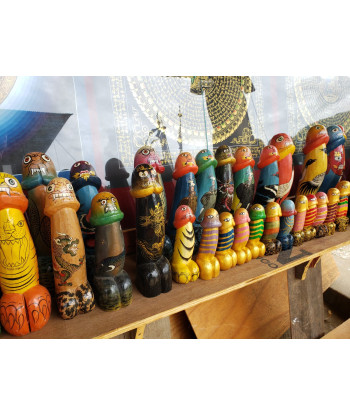
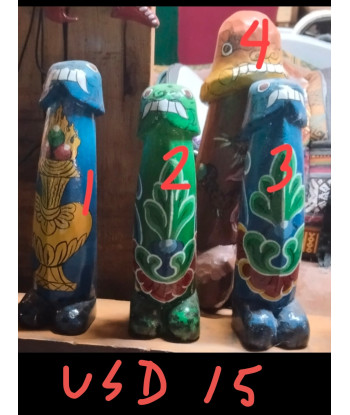
One of the most striking and uniquely Bhutanese symbols is the painted or carved phallus seen on houses, temples, and gateways across the country. To outsiders it may seem humorous or shocking, but in Bhutan this symbol carries deep religious meaning, cultural heritage, and social functions rooted in centuries-old traditions.One of the most striking and uniquely Bhutanese symbols is the painted or carved phallus seen on houses, temples, and gateways across the country. To outsiders it may seem humorous or shocking, but in Bhutan this symbol carries deep religious meaning, cultural heritage, and social functions rooted in centuries-old traditions.
Guru Thangka paintings in Bhutan are revered and sacred artworks that depict Guru Rinpoche, also known as Padmasambhava, the founder of Tibetan Buddhism and a highly venerated figure in Bhutanese culture. Thangka is a traditional Buddhist painting on cotton or silk, usually depicting a deity, scene, or mandala. These paintings are not only artistic expressions but also spiritual tools used for meditation, prayer, and teaching.
The "Tsholing" mask is one of the most important and recognizable masks in Bhutanese religious traditions, particularly in Cham dances performed during festivals like Tshechu. Tsholing refers to wrathful deities or protective spirits in Bhutanese and Tibetan Buddhism, who are often depicted in fierce forms to symbolize their power to protect the Dharma (Buddhist teachings) and to ward off evil spirits.
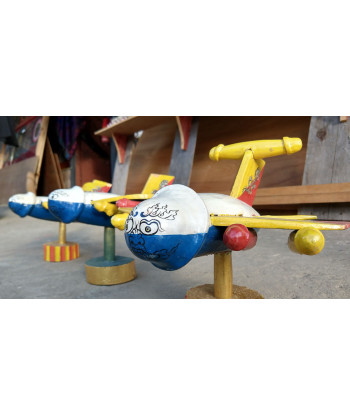
The image shows a uniquely Bhutanese handcrafted wooden airplane, humorously styled with a traditional phallus motif. These playful creations blend modern form with deep-rooted Bhutanese symbolism, turning a simple toy into a piece of cultural storytelling.
In Bhutan, the phallus is not an obscene symbol but a sacred emblem associated with Lama Drukpa Kunley—popularly known as The Divine Madman. For centuries, phallic symbols have been painted on houses and displayed in villages to ward off evil spirits, invite good fortune, and dispel negativity with humor. Artisans across the country continue this tradition through carvings, sculptures, and now creative, modern interpretations like the “phallus airplane.
Guru Thangka paintings in Bhutan are revered and sacred artworks that depict Guru Rinpoche, also known as Padmasambhava, the founder of Tibetan Buddhism and a highly venerated figure in Bhutanese culture. Thangka is a traditional Buddhist painting on cotton or silk, usually depicting a deity, scene, or mandala. These paintings are not only artistic expressions but also spiritual tools used for meditation, prayer, and teaching.
The "Tsholing" mask is one of the most important and recognizable masks in Bhutanese religious traditions, particularly in Cham dances performed during festivals like Tshechu. Tsholing refers to wrathful deities or protective spirits in Bhutanese and Tibetan Buddhism, who are often depicted in fierce forms to symbolize their power to protect the Dharma (Buddhist teachings) and to ward off evil spirits.
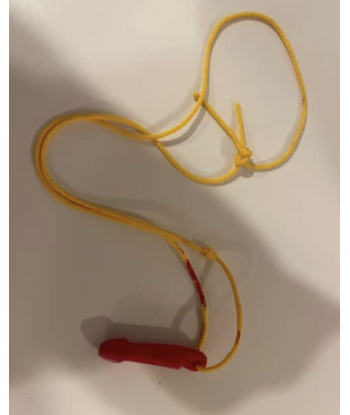
This phallus-shaped pendant echoes one of Bhutan’s most distinctive and meaningful cultural symbols. In Bhutan, the phallus is not seen as crude or vulgar; instead, it carries profound spiritual and protective significance rooted in the legacy of Lama Drukpa Kunley—the beloved “Divine Madman.” Known for his eccentric, enlightened behavior, Drukpa Kunley used humor, shock, and unconventional symbolism to challenge hypocrisy and guide people toward a more genuine spiritual understanding. The phallus became one of his teachings’ most recognizable emblems, symbolizing the power to dispel fear, ward off negativity, and cut through illusion.
The "Singye" mask refers to the mask of the Snow Lion, known as "Sengye" in Bhutanese. The Snow Lion is a revered symbol in Bhutanese and Tibetan Buddhist culture, embodying qualities of strength, fearlessness, and joy. The Sengye or Singye mask is one of the most important and recognizable masks used in religious dances (Cham) and rituals in Bhutan.
The White Tara Thangka is a sacred Buddhist painting that depicts White Tara, a revered female deity associated with compassion, healing, and long life in Tibetan Buddhism. White Tara, known as "Sita Tara" in Sanskrit, is often portrayed in a seated meditative posture, adorned with seven eyes on her face, hands, and feet, symbolizing her ability to perceive suffering in all corners of the universe. She is depicted with a serene expression, holding a lotus flower in one of her hands, representing purity and enlightenment. The thangka serves as a meditation aid and is believed to bring blessings of health, longevity, and protection to devotees.