Cordyceps Capsules
Wild Cordyceps Sinensis is a type of medicinal mushroom. It has been widely used in traditional Chinese and Tibetan medicines for centuries to treat fatigue, sickness, kidney disease, and low sex drive.
There are 92 products.
Active filters
Wild Cordyceps Sinensis is a type of medicinal mushroom. It has been widely used in traditional Chinese and Tibetan medicines for centuries to treat fatigue, sickness, kidney disease, and low sex drive.
In a Green Tara thangka, she is typically portrayed as a youthful, beautiful figure with green skin, symbolizing her connection to nature and the active aspect of her compassion. She may have multiple arms and eyes, each representing her ability to see and respond to the needs of all sentient beings. The thangka usually features her seated in a lotus flower, surrounded by various symbolic elements such as lotus blossoms, and often accompanied by other deities or protective figures.
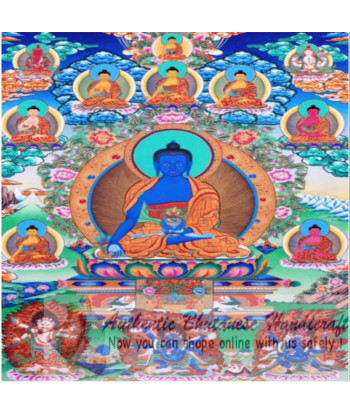
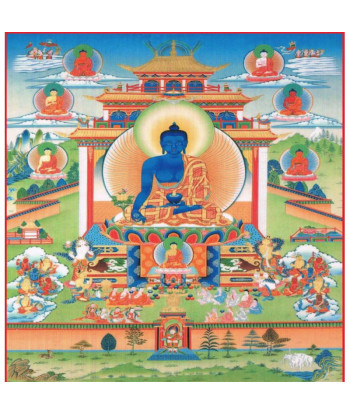
Medicine Buddha, known as *Bhaisajyaguru* in Sanskrit or *Sangye Menla* in Tibetan, is a significant figure in Mahayana and Vajrayana Buddhism. He is revered as the Buddha of healing and medicine, embodying the qualities of compassion and wisdom with the power to cure physical and mental suffering
Shakyamuni Buddha, also known simply as the Buddha, was the founder of Buddhism. He is revered for his enlightenment and teachings, which form the basis of Buddhist philosophy and practice. His life and teachings are central to many Buddhist traditions, and he is often depicted in art and scripture surrounded by his followers and disciples.
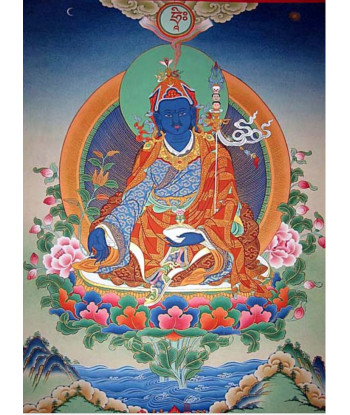
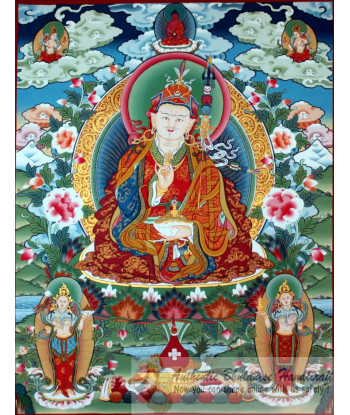
A Padmasambhava thangka painting is a rich and intricate work of art that embodies the spiritual and cultural significance of Guru Rinpoche, also known as Padmasambhava. These thangkas are not just decorative; they serve as powerful spiritual tools in Tibetan Buddhism, depicting the profound aspects of Padmasambhava’s teachings and his role in the establishment of Buddhism in Tibet.
A Thousand-Armed Avalokiteshvara thangka painting is a vibrant and intricate depiction of Avalokiteshvara, the bsignificant odhisattva of compassion, often known for his ability to aid countless beings simultaneously. This specific thangka is in Tibetan Buddhism, emphasizing Avalokiteshvara’s boundless compassion and ability to offer assistance to all beings.
Amitabha Buddha, also known as Amida Buddha in Japanese Buddhism, is a central figure in Mahayana Buddhism, particularly in Pure Land traditions. A thangka painting of Amitabha Buddha typically depicts him in a serene and majestic manner, embodying the qualities of boundless light and infinite life. Here’s a detailed look at what you might find in a traditional Amitabha Buddha thangka painting: