Buddhist damaru
search
  • Buddhist damaru
  • Buddhist damaru
  • Buddhist damaru
  • Buddhist damaru

Buddhist damaru

$480.00
Tax included

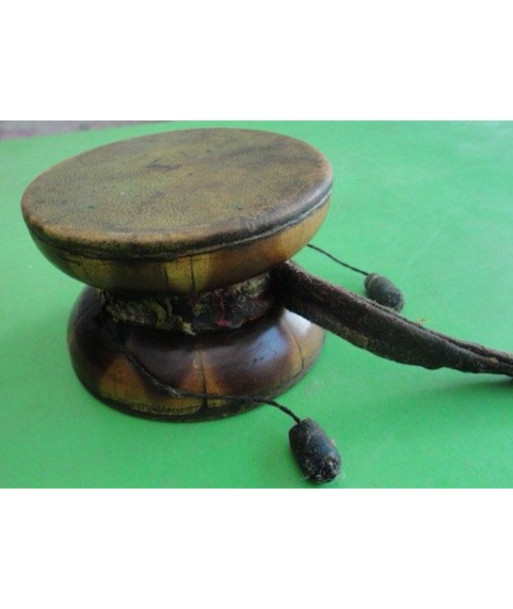
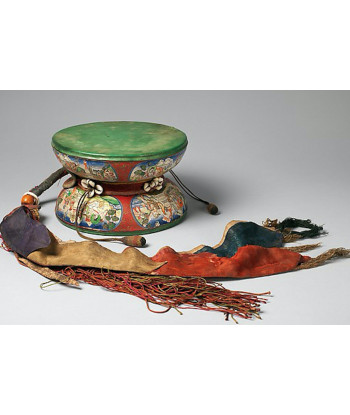
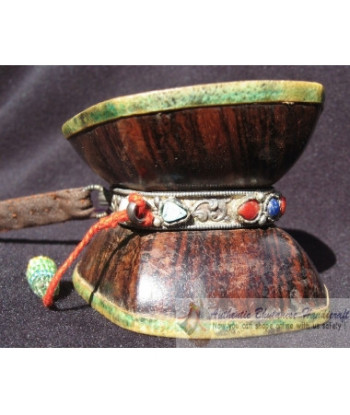
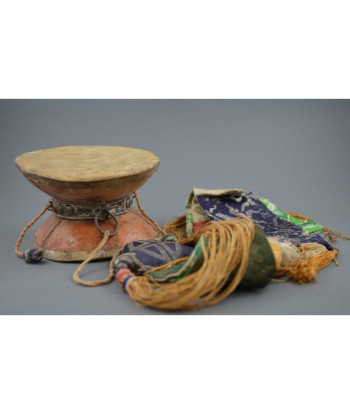
An antique Buddhist damaru (also spelled "damru" or "dhamaru") is a traditional ritual instrument used in various Buddhist ceremonies, especially within Tibetan and Himalayan Buddhist traditions. It is a small, hourglass-shaped drum that is often associated with Vajrayana Buddhism and is used in conjunction with other ritual tools to enhance the spiritual atmosphere of ceremonies and practices.

Size
Quantity

  Security policy

(edit with the Customer Reassurance module)

  Delivery policy

(edit with the Customer Reassurance module)

  Return policy

(edit with the Customer Reassurance module)

An antique Buddhist damaru (also spelled "damru" or "dhamaru") is a traditional ritual instrument used in various Buddhist ceremonies, especially within Tibetan and Himalayan Buddhist traditions. It is a small, hourglass-shaped drum that is often associated with Vajrayana Buddhism and is used in conjunction with other ritual tools to enhance the spiritual atmosphere of ceremonies and practices.

Key Features of Antique Buddhist Damarus:

  1. Material and Craftsmanship:

    • Material: Traditional damarus are commonly made from materials such as wood, metal, or a combination of both. The body may be crafted from a variety of woods or metals, and the drumheads are usually made from animal skins, such as those from goats or cows.
    • Craftsmanship: Antique damarus are often meticulously crafted, reflecting the skill and artistry of traditional artisans. The drum may feature detailed carvings, inlays, or engravings, which can include religious symbols, deities, and other decorative motifs.
  2. Design and Structure:

    • Shape: The damaru has an hourglass or two-headed drum shape. The two drumheads are stretched across the ends of the hourglass-shaped body and are connected by a central axle.
    • Size: Damarus vary in size, but they are typically small enough to be held in one hand. The size can affect the sound quality and the ease of use during rituals.
    • Decorative Elements: Antique damarus may feature elaborate decorations, including metalwork, carvings, or paint. These elements often reflect the specific traditions and artistic styles of the region where the damaru was made.
  3. Functionality:

    • Ritual Use: The damaru is used in Buddhist rituals to produce sound that is believed to have spiritual significance. The sound of the damaru is said to symbolize the thunderous sound of enlightenment and is used to accompany prayers, mantras, and other ritual activities.
    • Playing Technique: The damaru is typically played by rotating it rapidly back and forth, which causes the drumheads to strike each other and produce a rhythmic sound. This technique can be accompanied by chanting or other ritual actions.
  4. Cultural and Historical Significance:

    • Religious Symbolism: In Buddhism, the damaru is often associated with deities such as Padmasambhava and other Tantric figures. It symbolizes the union of wisdom and compassion and is used to invoke divine presence and blessings.
    • Historical Value: Antique damarus provide insights into traditional Buddhist rituals and the evolution of ritual instruments. They also reflect the artistic and cultural practices of the regions where they were made.
  5. Collectibility and Preservation:

    • Collectible Items: Antique damarus are valued by collectors, practitioners, and enthusiasts of Buddhist art and ritual objects. Their historical and cultural significance makes them important items for collections.
    • Preservation: Proper care is essential to maintain the condition of antique damarus. This includes protecting them from damage, moisture, and environmental factors. Regular cleaning and careful handling are important for preserving their integrity.
10 Items

Specific References

Comments (0)