Buddhist mala
search
  • Buddhist mala
  • Buddhist mala
  • Buddhist mala

Buddhist mala

$400.00
Tax included

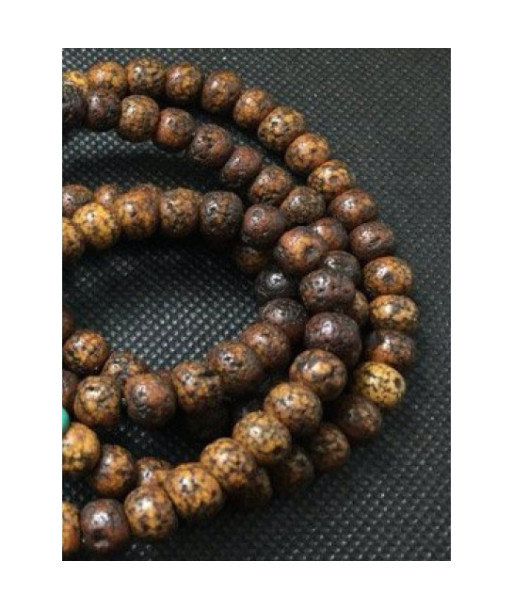
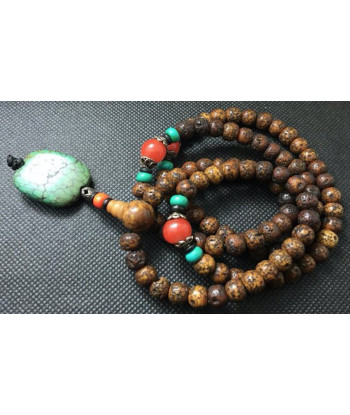
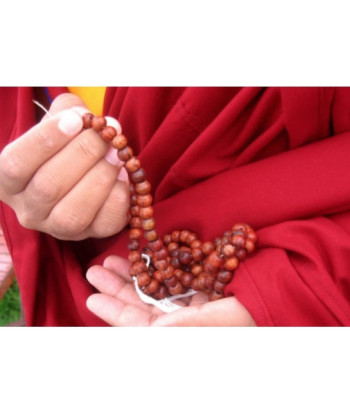
An antique Buddhist mala is a traditional string of beads used in various forms of meditation and prayer within Buddhism. Known for its spiritual significance, the mala is used to count mantras, prayers, or breaths during meditation practice. The term "mala" comes from the Sanskrit word for "garland" or "necklace."

Size
Quantity

  Security policy

(edit with the Customer Reassurance module)

  Delivery policy

(edit with the Customer Reassurance module)

  Return policy

(edit with the Customer Reassurance module)

An antique Buddhist mala is a traditional string of beads used in various forms of meditation and prayer within Buddhism. Known for its spiritual significance, the mala is used to count mantras, prayers, or breaths during meditation practice. The term "mala" comes from the Sanskrit word for "garland" or "necklace."

Key Features of Antique Buddhist Malas:

  1. Material and Craftsmanship:

    • Material: Antique Buddhist malas are made from a variety of materials, each with its own symbolic significance:
      • Wood: Commonly used materials include sandalwood, rosewood, and Bodhi wood. These woods are chosen for their durability and spiritual properties.
      • Seeds: Certain seeds, like those from the Rudraksha tree or the Bodhi tree, are used for their traditional and religious significance.
      • Bone: Some malas are crafted from bone, often representing impermanence and the cycle of life and death.
      • Precious Stones: Malas may also be made from semi-precious or precious stones like turquoise, coral, and jade, each associated with specific spiritual qualities and healing properties.
    • Craftsmanship: Antique malas often feature intricate craftsmanship, including hand-carved beads, detailed inlays, and ornamental spacers. The craftsmanship reflects traditional artisan skills and the importance of the mala in spiritual practice.
  2. Design and Structure:

    • Beads: A typical mala consists of 108 beads, although variations with 27, 54, or other numbers of beads exist. The number 108 is considered sacred in Buddhism and represents the total number of earthly desires or defilements.
    • Guru Bead: The mala usually includes a larger bead called the "guru bead" or "sumeru bead" which is not counted among the 108 beads. This bead marks the beginning and end of the mala and is often used as a focal point in practice.
    • Tassel or Pendant: Many malas are finished with a tassel or pendant, often made from silk or other materials, which can serve as a decorative or symbolic element.
  3. Functionality:

    • Meditation and Prayer: The primary use of a mala is in meditation and prayer. Practitioners use the beads to keep track of the number of mantras or prayers recited, helping to focus the mind and deepen the meditative experience.
    • Spiritual Significance: Each bead represents a step toward enlightenment or a spiritual goal. The act of counting and repeating mantras is believed to help in the purification of the mind and attainment of spiritual insight.
  4. Cultural and Historical Significance:

    • Religious Symbolism: In Buddhism, malas are considered powerful tools for spiritual practice. They symbolize the journey towards enlightenment and the purification of the mind.
    • Historical Value: Antique malas provide insight into historical Buddhist practices and the evolution of ritual objects. They also reflect the artistic and material culture of the regions where they were made.
  5. Collectibility and Preservation:

    • Collectible Items: Antique Buddhist malas are highly valued by collectors, practitioners, and enthusiasts of Buddhist art and artifacts. Their historical, spiritual, and artistic significance makes them important items for collections.
    • Preservation: Proper care is essential to maintain the condition of antique malas. This includes avoiding exposure to moisture, direct sunlight, and harsh chemicals. Regular cleaning and gentle handling are important for preserving their integrity.
10 Items

Specific References

Comments (0)