- New

 0
0
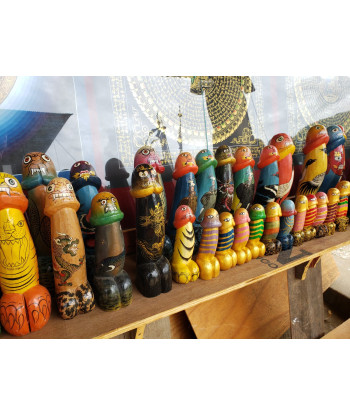


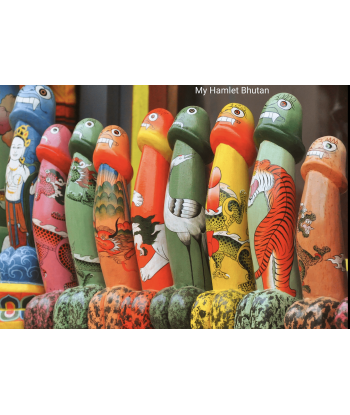
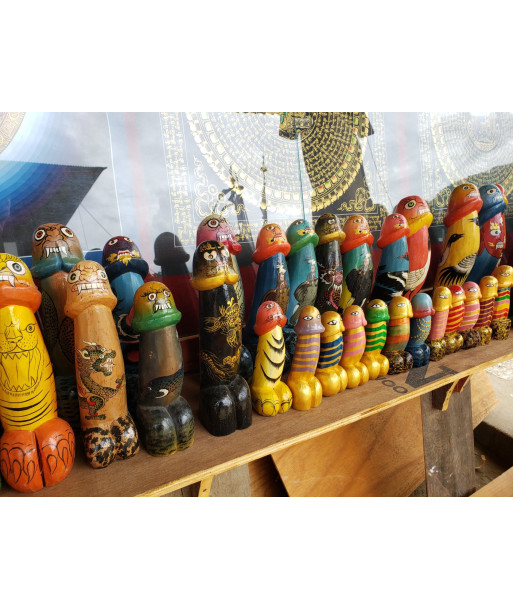
One of the most striking and uniquely Bhutanese symbols is the painted or carved phallus seen on houses, temples, and gateways across the country. To outsiders it may seem humorous or shocking, but in Bhutan this symbol carries deep religious meaning, cultural heritage, and social functions rooted in centuries-old traditions.One of the most striking and uniquely Bhutanese symbols is the painted or carved phallus seen on houses, temples, and gateways across the country. To outsiders it may seem humorous or shocking, but in Bhutan this symbol carries deep religious meaning, cultural heritage, and social functions rooted in centuries-old traditions.
 Security policy
(edit with the Customer Reassurance module)
 Delivery policy
(edit with the Customer Reassurance module)
 Return policy
(edit with the Customer Reassurance module)
The phallus symbol is most strongly linked to Lama Drukpa Kunley (1455–1529), also known as the “Divine Madman.”
Drukpa Kunley was an eccentric Tibetan Buddhist saint whose unconventional methods—songs, humor, and sexual metaphors—were used to teach dharma and to liberate people from hypocrisy and ignorance.
He used the phallus:
as a weapon against demons,
as a symbol of enlightenment free from social constraints,
as a challenge to rigid religious orthodoxy.
Temples associated with him, such as Chimi Lhakhang, use wooden phalluses for blessings, especially for couples seeking fertility.
Traditionally, phallus paintings are believed to ward off evil spirits, gossip, curses, and misfortune.
They act like spiritual guardians placed on the walls of homes to ensure:
safety of the household,
protection from negativity,
harmony among family members.
The phallus is associated with fertility, both in terms of childbirth and agricultural success.
Farmers historically believed that the symbol brought:
bountiful harvests,
healthy livestock,
growth and abundance.
Exaggerated and colorful phallus drawings are meant to bring:
luck,
happiness,
prosperity.
The blessings received from Chimi Lhakhang using wooden phalluses further reinforce this belief.
The phallus has become a recognizable part of Bhutan’s folk culture and identity.
It shows how Bhutanese society:
embraces humor,
rejects unnecessary shame,
maintains a down-to-earth view of life.
Drukpa Kunley used the phallus to mock:
hypocrisy,
pretentious religious behavior,
rigid moral norms.
Thus, the symbol also represents freedom of expression and spiritual openness.
Even today, villagers and craftsmen continue the tradition by:
painting phalluses on new homes,
carving wooden ones for ceremonies,
selling replicas as handicrafts.
The practice remains vibrant and respected across Bhutan.
With modernization and exposure to global culture, reactions to the phallus vary among younger Bhutanese. Some feel shy or amused, while others strongly defend the tradition as an important cultural heritage.
Tourists often find the symbol fascinating, which has led to:
new interest in Bhutanese art styles,
local businesses selling phallus-themed souvenirs,
cultural discussions on symbolism and identity.
Despite changing views, the phallus continues to be celebrated and preserved.
One of the most striking and uniquely Bhutanese symbols is the painted or carved phallus seen on houses, temples, and gateways across the country. To outsiders it may seem humorous or shocking, but in Bhutan this symbol carries deep religious meaning, cultural heritage, and social functions rooted in centuries-old traditions.One of the most striking and uniquely Bhutanese symbols is the painted or carved phallus seen on houses, temples, and gateways across the country. To outsiders it may seem humorous or shocking, but in Bhutan this symbol carries deep religious meaning, cultural heritage, and social functions rooted in centuries-old traditions.